
Pros and Cons of Using Brick Pavers for Your Driveway
Brick Pavers Selecting the perfect material for your driveway can be both a challenging and rewarding endeavor, as it will have significant impact on both the appearance and functionality of your home. Brick pavers are a favourite material for many homeowners as they provide them the perfect mix of timeless beauty and practical advantages. In this article, we will discuss the pros and cons of brick pavers for your driveways to help you decide if they are the right option for you.
Understanding Brick Pavers for Your Driveway
Brick pavers have been a favorite option for driveways, preferred by many homeowners even in 2025. One of the most popular this year is brick pavers for how classic they are and all the design patterns and layouts. Some homeowners love the look that bricks have and how they can incorporate seamlessly with landscaping, or match similarly to their home’s aesthetic appeal.
The Pros of Brick Pavers for Driveway Installation
There are many advantages to using brick pavers for a new driveway.
Durability and Long Lifespan
Brick pavers are constructed from durable clay that is robust enough to support the weight of vehicles and endures the weather elements. Being laid loosely in a flexible manner, they can also absorb movement of the ground without breaking while traditional concrete cannot. This strength allows brick driveways to last for decades, making it an appealing option for homeowners.
Easy and Cost-Effective Repairs
Brick pavers offer a great advantage in that if you have one brick that gets damaged or stained, it is easy to replace. This will save you money on repair costs and make your home look better at the same time. Easy to remove and reinstall, year after year.
Slip-Resistant Surface for Safety
Stones provide a slightly textured surface that can be very grippy. This inherent grip provides a safer walking or driving experience, especially for wet and icy driveways. This nonslip characteristic is a major benefit over pervious smoother surfaces like concrete or asphalt.
Quick Installation and Immediate Use
Brick paver driveways can be put into place faster than concrete ones since no time for curing is necessary. Once set, they can be used almost instantly, so homeowners will not have to wait ages before using their new driveway.
Design Flexibility with Colors and Patterns
Brick pavers are available in several colors, styles, and sizes to add interest and flair to your grape stomp area. This flexibility allows you to design a look that will complement the architecture of your home and landscape.
Low Long-Term Maintenance Requirements
Are there any requirements to maintain brick paver driveways? An occasional clean and seal are all that’s required to keep the surfaces looking good through years of use, as well as safeguarding them against staining. Not only does this mean that you can drive over them as much as you like, it also means the damage and repairs are fewer and farther between than other driveway materials.
The Cons of Using Brick Pavers for Your Driveway
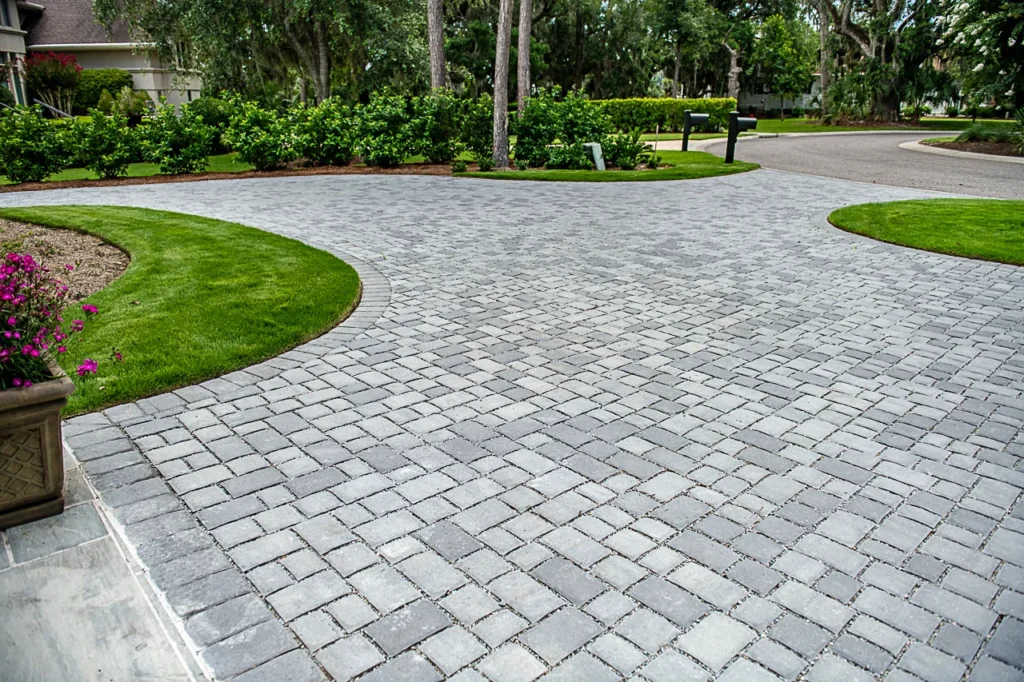
When you’re weighing the options for your own driveway, however, it’s important to consider both the pros and the cons. Brick pavers offer plenty of pros but also a few cons that homeowners should keep in mind before planning the installation.
Higher Initial Cost
Brick pavers are more costly to purchase and install than other types of driveway materials, such as asphalt or concrete. The expense encompasses the cost of those bricks and the labor required for a careful installation. They provide long-term value, but they come with a substantial upfront cost as well.
Maintenance Requirements
Brick driveways require some routine maintenance to look their best. If not maintained, weeds and moss can develop between the pavers which must be cleaned or treated often. Sealing the pavers will also need to be done every few years to avoid any stains and impact from weather.
Possible Shifting and Uneven Surfaces
Because they are individual units laid on a compacted base, brick pavers sometimes shift to settle unevenly over time — especially if the base is not properly prepared. This results with an uneven driveway surface.
Susceptibility to Fading
Brick pavers are exposed to the sun, rain, and pollutants which can fade their colors over time. While sealing slows down this process, after a few years outdoors you may notice your driveway beginning to lose some of its original luster.
Labor-Intensive Installation
Brick pavers are an investment and, when a patio or sidewalk is expertly installed over a properly prepared base, the value is long-lasting. A poorly installed driveway can be a disaster over the years, which is why if you want one, then it should pay for itself by lasting longer in the long run. This is what makes professional installation necessary.
| Material | Cost Range (per sq. ft.) | Pros | Cons |
| Gravel | $1 – $4 | Low cost, good drainage | Needs frequent maintenance |
| Asphalt | $3 – $20 | Affordable, quick install | Requires resealing |
| Concrete | $7 – $20 | Durable, low upkeep | Can crack, costly |
| Brick Pavers | $10 – $30 | Durable, easy repair | Expensive, labor-heavy |
| Cobblestone | $15 – $30 | Very durable, unique look | Costly, labor-intensive |
| Interlocking Pavers | $10 – $25 | Customizable, strong | Higher cost upfront |
| Permeable Pavers | $10 – $20 | Eco-friendly, drains well | Needs good base prep |
Conclusion
The right driveway material for you will depend on your budget, style and how much maintenance you want to do. If you’re looking for a durable, attractive driveway with plenty of design options, brick pavers are an excellent option. The options are great alternatives like concrete, asphalt, gravel and permeable pavers that might meet your needs better, depending on where you’re placing the driveway and what kind of statement you want it to make. Make sure you evaluate all the options to determine what would best suit your home.
If you want a well-paved, high-quality driveway that increases your home’s value and curb appeal, Maura Mason can help. Our crew is expert at installing driveways to your needs and budget.
FAQs
How long does it take to get a brick paver driveway?
On average, it takes about 3 to 7 days for a small to medium-sized driveway.
Can I do a brick paver driveway myself?
Yes, DIY is an option, but you will need to do your homework and get ready for some back-breaking, dirty work.
Is a brick paver more expensive than concrete?
Yes, brick pavers do tend to have a higher upfront cost because of material and labor.
How do brick pavers hold up in freezing weather?
They are sturdy and flexible, helping to minimize cracks as the weather fluctuates.
What is involved in maintaining a brick paver driveway?
The surface is easily maintained by cleaning, weeding and sealing when necessary.
Are damaged pavers easy to replace?
Yes, bricks can be taken out and replaced with relative ease if there’s no major repair job.