
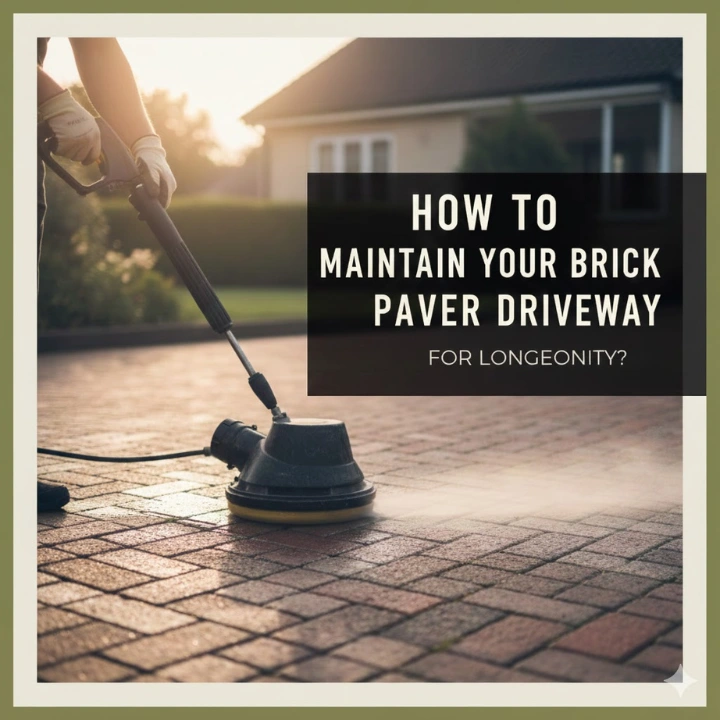
Not only is your driveway made of brick pavers, but it is also a beautiful first impression to your home and is a beautiful place to be with the proper care; it can last for decades to be in good-looking condition. Maintenance is not only a burden; it is the key to ensuring that your investment is not worn, weathered and infested by weeds. Whether it is mild cleaning, sealants and joint maintenance, each process counts in the maintenance of your hardscape in terms of strength and beauty. Small problems can be converted into expensive repairs; a little attention today will be a long way.
Are you willing to get to know some easy methods that will ensure your driveway remains clean, safe and appealing throughout the year? Let’s dive into the ultimate guide to maintain your brick paver driveway for longevity and keep your home’s curb appeal shining bright.
How to Maintain Your Brick Paver Driveway for Longevity?
The brick paver driveway not only improves the front yard of your home, but it also needs some careful maintenance to showcase a good appearance and make it work in the long term. This self-help guide to paver driveway repairs and maintenance includes both basic maintenance and more complicated maintenance and protection measures.
The Foundation of Paver Preservation
In the case of preserving paving, knowing the fundamentals will put you on the road to long-lasting, successful maintenance.
What are the key elements included in a DIY paver driveway maintenance guide for beginners?
Any concrete DIY paver driveway maintenance manual has to begin with:
- Rudimentary inspection procedures to identify cracks, settlement or erosion of joints at an early stage.
- Frequent washing to avoid the adherence to the dirt and spots.
- The interlock strength is to be maintained by joint sand management.
- Processes of sealing to prevent weather and usage.
- Simple manuals on how to do the minor repairs such as reconstructing sunken or loose pavers.
The basis enables amateurs to act in doable steps before the situation gets out of control.
How do paver driveway preservation techniques protect against joint erosion and settlement?
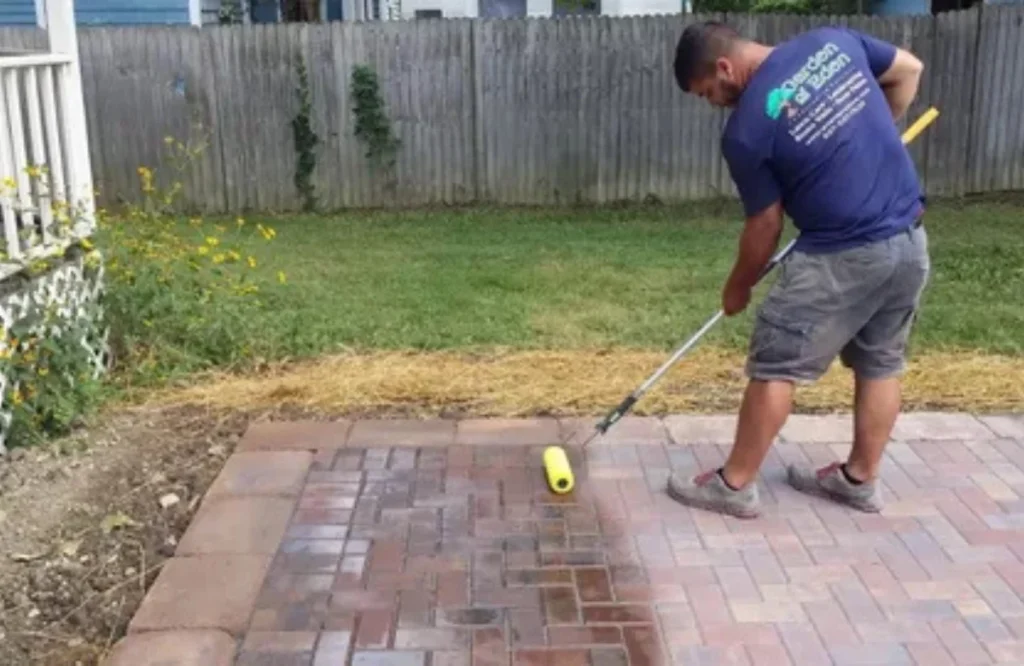
The Paver driveway preservation techniques are based on the high level of integrity of the joints between the bricks, which are usually filled with sand. Joint sand erosion occurs as a result of water runoff or freezing and decreases stability and may cause settlement or loose pavers.
Maintaining the joints is achieved by replenishing the sand and sealing to ensure that it does not get washed away, resulting in structural changes. Together, these methods cushion against irregular floors and the subsequent costly repairs in the future.
Why is consistent care essential for realizing the full potential of long-term brick paver care tips?
Consistency is key. Only intermittent application of long-term brick paver care tips makes the application patchy and the wear is untimely. The driveway is resilient due to frequent maintenance exercises like cleaning and joint topping on the grounds per season.
Constant care will result in the fixation of minor issues such as stains on the surfaces or loss of sand before it affects the entire installation and creates vibrant pavers that can endure through time.
Cleaning, Sealing, and Joint Integrity
The core of maintaining your driveway lies in proper cleaning, sealing, and joint care.
What is the best way to clean paver driveway without damaging the surface?
The best way to clean a paver driveway is to take a stiff broom and spray some mild detergent solution on the surface of the drive and clean with a broom. To remove stubborn areas, a medium-intense garden hose may be used to wash away the dirt without disrupting the sand joints or scratching the bricks.
It should not use harsh chemicals or other aggressive scrubbing equipment that is likely to wear down or discolour the pavers. Safe cleaning does not change the natural texture and color.
What is the purpose of routine paver cleaning and sealing, and how often should it occur?
Periodic cleaning and sealing of pavements can be done to:
- Eliminate stains, molds, and dirt that may deteriorate the surface of paving.
- Fix the joint sand, which ensures structural stability.
- Protect the bricks against UV destruction, oil stains and water infiltration.
The sealants would normally require application after every 2 to 3 years, although cleaning every month should become a norm in order to ensure effectiveness between sealings. This service prolongs the life of your driveway.
What are the risks of using high pressure when reviewing pressure washing paver driveway tips?
When discussing pressure washing tips for paver driveways, one must realize that excessively high pressure may be damaging. Too powerful a blast can:
- Erosion or erosion of the joint sand and undermines the total structure.
- Chip or crack paver surfaces.
- Fade colors prematurely.
The moderate pressure level should always be used and the nozzle should move steadily to prevent damage.
Repairing Joints and Surface Issues
Proper repair and joint management help maintain surface uniformity and safety.
What is the process for effective paver driveway joint sand replacement?
The paver driveway joint sand replacement process involves:
- The brush or blower was used to remove any loose or eroded sand between the bricks.
- Filling the joints with polymeric sand, sweeping it in so as to fill it completely.
- To get high density of sand, the sand is compacted using a plate compactor or hand tamper.
- Making the polymeric sand be active by spraying it with a mist of water, which makes it stick in position.
This helps in achieving stability of the joints as well as avoiding further erosion.
What is the best equipment for paver joint filling to ensure high density and stability?
The equipment that will be the best to use in filling joints of the pavers includes:
- A plate compactor is used to compact the sand evenly and make it free of gaps.
- A rubber mallet to do light yet effective tamping on hard-to-reach places.
- A finer broom with which to push the sand deep down and clean into the joints.
These are used to produce the dense, steady joints that are required to be long-term sustained.
What safe DIY paver repair techniques can fix minor wobbly or sunken areas?
In case of minor settlement or wobble:
- Gently lift off pavements.
- Add or take away base sand till the sublevel is hard and smooth.
- Lay the pavers again and beat them firmly in position with a rubber mallet.
- Fill back the joints with sand and paste.
This is a cheap and easy modification that avoids the risk of trips and an unattractive dipping, without expensive work by contractors.
Advanced Stain and Protection Strategies
Protecting your driveway from tough stains and heavy wear keeps it showroom-ready.
What is the most effective approach for cleaning rust stains from pavers?
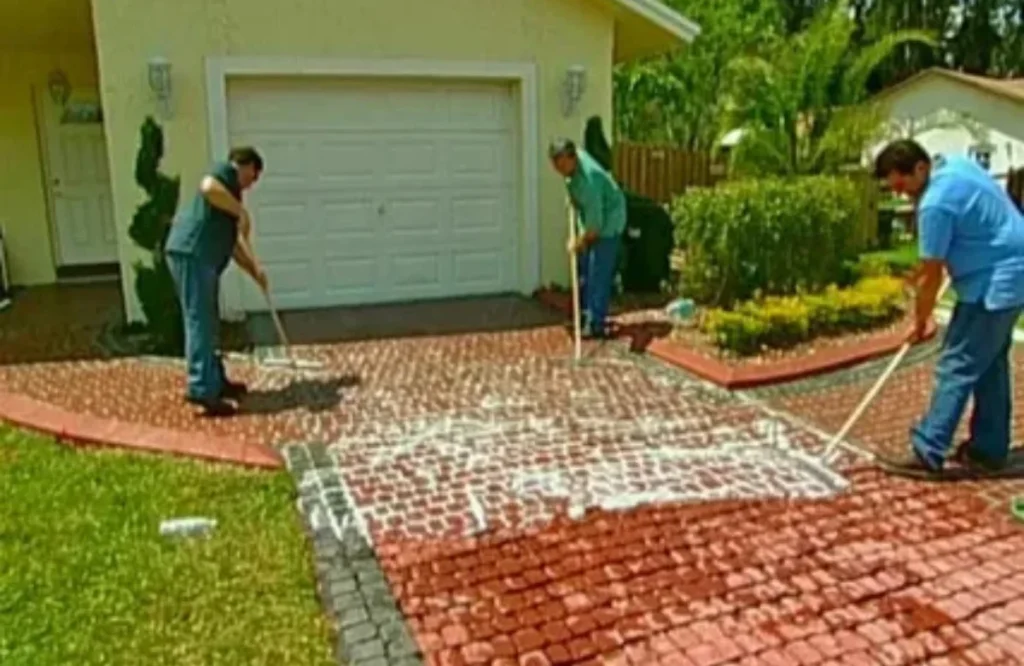
The best way to clean rust marks on pavers is by using a commercial rust remover that is not harmful to the masonry or the diluted form of white vinegar applied on the stain itself.
Allow the agent to sit a few minutes, scrub and run under a lot of water. Sealed surfaces should not receive acidic cleaners, and a test patch should be done.
What products are best for protecting paver driveway from tire marks and oil leaks?
To combat tire marks and oil stains, use sealants designed specifically for driveways that offer oil and stain resistance. Look for penetrating sealers with stain-repellant additives.
These create a barrier that stops grease and rubber marks from penetrating deeply, making cleanup easier and reducing discoloration.
How does sealing the pavers help reduce the frequency of needing specialized cleaning?
The use of sealing forms a barrier that cannot be seen, hence it does not allow dirt, stains, or water to penetrate the pavers. This membrane decreases the accumulation of dirt and organic living organisms by pushing off the necessity of specialized cleaning methods like rust stain removal or deep pressure cleaning.
It also assists in keeping lock joint sand in position reducing the threat of erosion.
Conclusion:
Having your brick-pavered driveway is a way to secure your home investment as it keeps your home attractive and solid. To avoid damage, it is better to engage in regular cleaning and sealing, and joint sanding attention should avoid expensive settlement problems. Minor repairs can be handled promptly with the help of gentle cleaning techniques and appropriate sealants and prevent more significant issues with the surface. To maintain it, sweep debris at least once a month, wash with a mild detergent on two occasions annually, check and fill joint sand at least once and twice a year and re-seal pavers after every two to three years.
Timely correction of loose or sunken pavers and treatment of stains without the use of hard pressure washing will ensure that your driveway stays in great appearance and lasts longer. Maura Masons Corp. is a fully licensed, family-owned masonry and concrete business with over 50 years of experience, known for quality craftsmanship, excellent customer service, and reasonable prices, serving both residential and commercial clients.
FAQ’s
Q: How long after installation should I wait before the first routine cleaning and sealing?
A: Wait a minimum of 30 days after installation to enable enough settling of materials before the first cleaning and regular paver cleaning and sealing.
Q: Are commercial-grade sealants included in DIY paver driveway maintenance guide options?
A: Yes, most DIY paver driveway maintenance guide options suggest commercially based sealants that are developed to be easy to use and provide protection.
Q: What is the best season for paver driveway joint sand replacement?
A: Spring or fall is the most appropriate season because the temperatures are moderate and dry, so that the polymeric sand can cure properly without haste related to extreme temperatures, whether heat or frost.
Q: What are the necessary precautions when pressure washing to avoid damage?
A: A wide spray nozzle is to be used with medium pressure. Also, to avoid erosion of sand in big joints, it is best to hold a constant distance between the spraying nozzle and the surface and not to point directly into joints.