

Turn your house into a beautiful masterpiece with personalized bricks that the world would talk about your style and personality. Just think of the walls that are not just strong but with a story of crafts works and eternal beauty. Is it a warm hearth, a beautiful garden wall, an arresting front that you are dreaming about? Design custom brickwork for homes adds the right combination of both durability and beauty. There is no sense in having a cookie-cutter design, but a new thing of your own, one that would make your house shine with curb-appeal and increase value. Every step is important whether it is the selection of the correct bricks or the art of patterns and long life. This manual will take you through professional tricks and techniques to know, and transform your dream into a permanent reality.
Would you like to have brickwork that makes people stare and one that will stand the test of time? Let’s dive in and lay the foundation for your dream project!
Planning and Architectural Design
What are the foundational steps to design custom brickwork for home projects?
Start with an assessment of the site to determine the soil type, drainage and exposure to the elements such that the design of the custom brickwork to be used in the home will correspond with the environmental factors. Develop detailed blueprints with scale, proportions, and load bearing requirements which would be checked against local codes. Choose such substances as clay or concrete bricks according to the climate resistance and aesthetic objectives.
How does the choice of texture and color influence choosing custom brick patterns?
Adding some texture (e.g., smooth, wire-cut or tumbled) provides a sense of depth, and colors (ranging between reds and whites) predetermine the mood directly influencing the selection of the pattern of custom brick, like herringbone or basketweave. Rough surfaces are more appropriate to rustic aesthetics, which promote shadows, and smooth surfaces go with minimalist design of the modern style with clean lines. Combine these with home architecture and do not contradict in the test samples with natural light.
What structural checks are necessary before starting a major new brick installation?
Make soil tests on stability, contract engineers to check against frost lines and seismic risk on foundation depth. Examine the current structures in terms of cracks or displacements, computing wind loads according to building codes. Issue secure permits and load simulations so as to avoid settlement problems after installation.
Specialized Construction Projects
What are the necessary fire safety and venting considerations for how to build a custom brick fireplace?
The firebox should be built with fire-rated refractory bricks and high-temperature mortar with a 2-inch insulation air gap. Install metal flue liners that conform to the UL requirements to clean up the ashes, and spark arrestors will be placed over chimneys. Extradiegetic position intakes, using NFPA 211 standards of draft efficiency.
What structural reinforcement is required for a stable brick garden wall design and construction?
Place re bar of steel in piers at the rate of 4-6 feet and a concrete footing twice the thickness of wall deep. Multi-layer walls more than 3 feet tall Tie wythes with metal anchors with weep holes to drain. Refer to codes on batter slopes in free-standing walls that are higher than the height limits.
How do you select and integrate custom brick venting and air intake grills for both function and aesthetics?
Install corrosion-resistant grills that are brick-colored and textured, depending on the size required by the CFM requirements of fireplaces or walls. Install in the laying stage using mortar anchors and lay low in case of intakes and high in case of exhausts to facilitate the flow of air. Powder-coat to give it a durable look and at the same time fit perfectly into patterns.
How to Build a Brick Wall Step-by-Step
Key Steps in DIY Guide
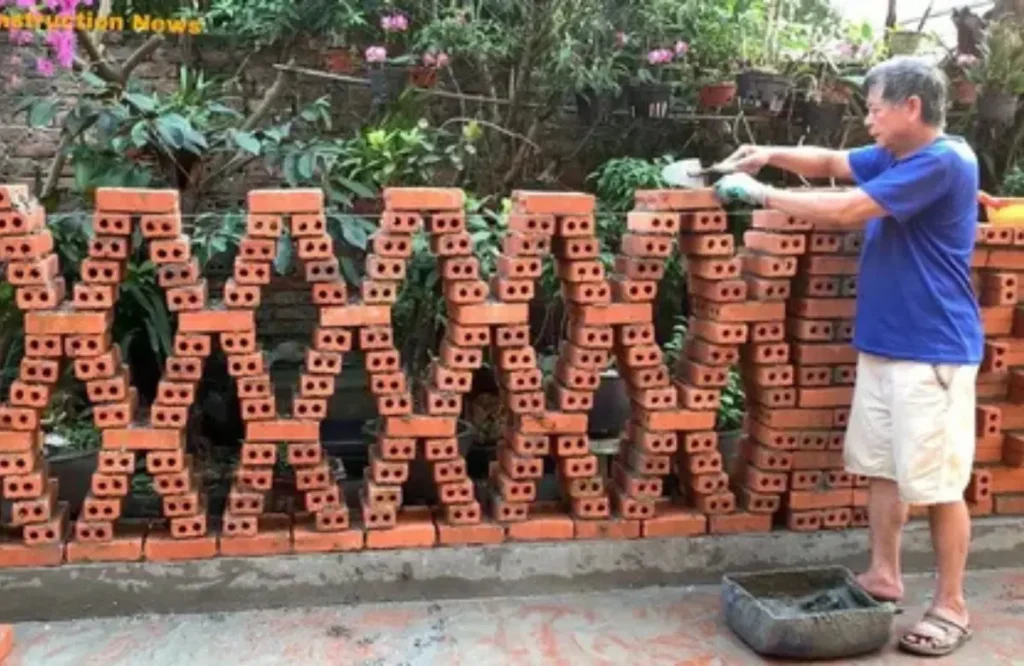
Learn how to install your own bricks by following the instructions of DIY custom brick using starting with accurate footings: Excavate 12 inch deep trenches and pour concrete and feet level. Lay the initial course and apply full mortar beds using a string line to ensure it is straight, and then the rest of the rows are staggered in a running bond pattern. Level all the bricks after every 3 bricks with a level, adjusting cuts to fit the surface to a clean finish.
Safe Cleaning Methods
To clean new custom brickwork, it is necessary to wait 7-14 days after construction and then clean it with a soft brush or a low-pressure hose (less than 500 PSI) with pH-neutral cleaner. Wipe down, start at the top, and ensure no streaks, the test solutions on hidden areas first to be sure it is safe on the mortar.
Mortar Joint Techniques
With the concave profiles at 3/8-inch thickness produced by means of tools, the proper mortar joints shed water and flex with the settlement to ensure long-life. Tooling is done by compressing and the tool is cured under mist in 48 hours to reach full bond strength.
Installation Techniques and Quality Control
What key steps are highlighted in a DIY custom brick installation guide for homeowners?
Dig trenches, pour concrete and square with stakes and strings in a plumb line. Blend mortar till peanut butter consistency, lay first course with full beds and apply levels in each row and cut bricks to fit. Staggered joints in running bond, tooling of thumbprint firmness.
What are the safest methods for cleaning new custom brickwork gently after construction?
Allow to cure 7-14 days then brush on dry or apply low-pressure water (less than 500 PSI) with mild detergent. It is best to avoid acids, instead use baking soda pastes on stains then rinse downwards so as to avoid streaking. Small areas should be tested first in order to save mortar.
How do proper mortar joint techniques ensure the longevity of the installation?
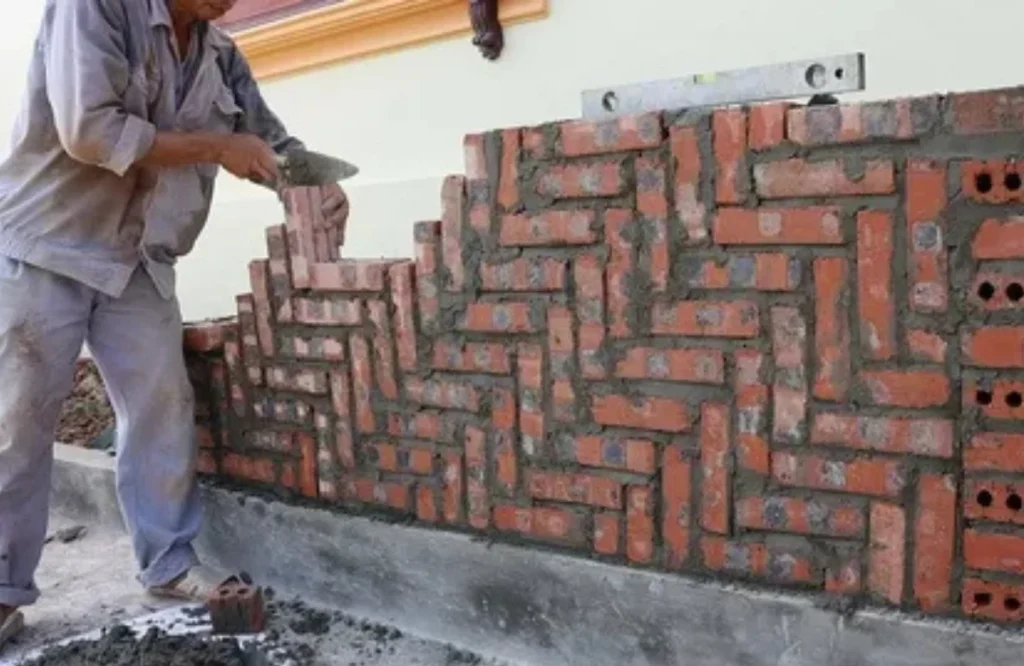
The best sheds of water are concave or V-joints which are used with a uniform depth of 1/8-1/2 inch thick. Use hard to press waterproof seals, do not use raked profiles in wet climates. Strengthening in 28 days is enhanced with the addition of burlap that is cured properly.
Protection, Sealing, and Longevity
What steps are needed for sealing custom brickwork against driving rain and moisture damage?
Wipe down and apply silane/siloxane sealers that do not change the look penetrating the pores. Apply sprayers evenly, and leave 24 hour time spans between applications. Re-use after every 5-10 years according to exposure.
What should be included in a long-term maintenance plan for custom brickwork?
The cracks should be inspected annually, mortar should be repointed after every 20-25 years and weep holes should be cleared. Pressure wash very light, at intervals of two years, observing efflorescence by dilutions of muriatic acid. Modification of documents to avail warranties.
How does a brick maintenance plan fit into the Best maintenance plan for residential construction overall?
Include quarterly whole-home inspections, and give special emphasis to the brick in addition to roofs and foundations in an attempt to ensure comprehensive durability. Repointing schedule professionals coordinated with siding paints with a 1-2% of yearly home value allocation. This eliminates cascading failures such as water intrusion.
Conclusion:
When planning to design custom brickwork for home, prioritize three critical choices: pattern for visual flow, brick type for durability, and scale matching architecture. These anchor aesthetics and performance from day one. Proper sealing protects adjacent structures, including roofing construction, by repelling water wicking into walls and safeguarding roof edges from rot. A custom look demands precise installation, accurate levels, joints, and bonds prevent cracks and fading, ensuring decades of beauty. Sloppy work ruins even premium materials.
Ready to elevate your home? Contact Maura Masons Corp today for expert design custom brickwork for home that lasts!
FAQ’s
Q: Is it possible to mix modern bricks with traditional choosing custom brick patterns?
A: Yes, combining smooth modern bricks with textured traditional ones creates striking contrasts, like stack bond meeting Flemish patterns for contemporary-rustic fusion. Always blend packs during laying to avoid color banding.
Q: How long does the mortar need to cure before cleaning new custom brickwork gently?
A: Mortar requires 7-28 days to cure fully before gentle cleaning, depending on weather, full strength at 28 days prevents damage during brushing or low-pressure rinsing.
Q: What is the average lifespan of sealant used for sealing custom brickwork against driving rain?
A: Breathable silane/siloxane sealants last 5-10 years in moderate climates, requiring reapplication based on exposure to maintain water repellency.
Q: When should I consult a structural engineer for brick garden wall design and construction?
A: Consult for walls over 3-4 feet tall, retaining soil, or near boundaries to ensure rebar reinforcement and footing stability per local codes.
Q: Can beginners follow a DIY custom brick installation guide without prior experience?
A: Yes, with proper tools and patience, start small, use string lines for alignment, and practice dry-laying courses first for success