
Brickwork has stood the test of time as one of the most trusted methods in construction. From cozy homes to grand buildings, brick structures are known for their beauty, strength, and durability. But have you ever wondered what makes brickwork last for generations? The secret lies in choosing the right materials.
Selecting the best masonry materials ensures that your brickwork not only looks great but also performs well against weather, time, and wear. In this guide, we’ll explore the materials used in custom brickwork, what makes them special, and how to choose the perfect combination for your next project.
What is Masonry Work and Why Does It Matter?
Prior to engaging in materials, it is best to have an idea of what masonry work is. Masonry is a process of constructing structures using such materials as bricks, stones, concrete blocks, or tiles and glued with the help of mortar. Such materials, known as masonry materials, make up the structure of the walls, walkways, chimneys, etc.
Best Materials for Custom Brickwork
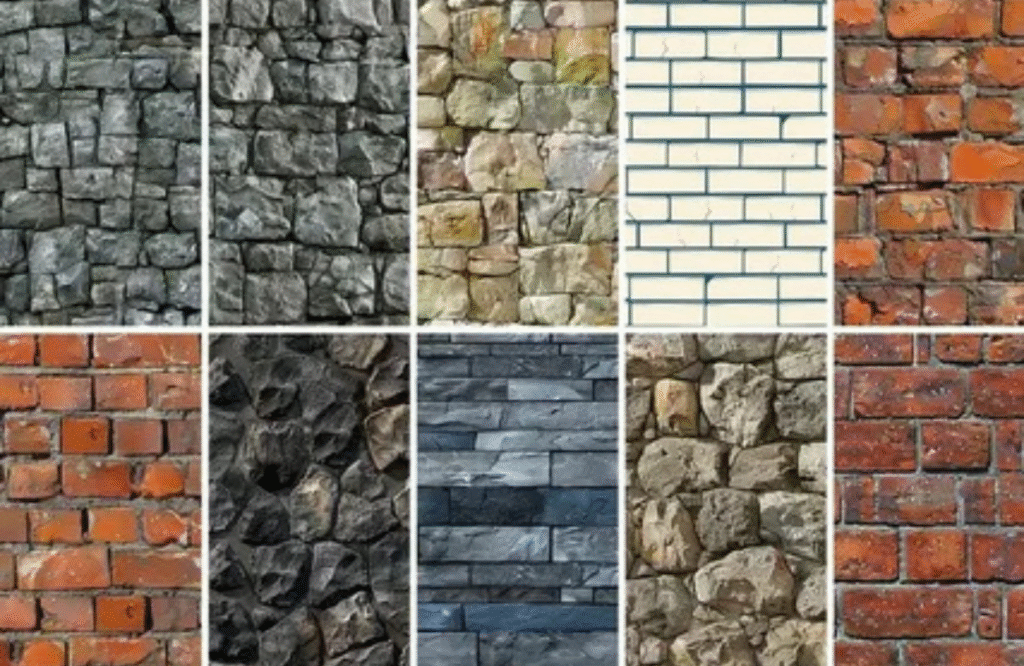
One of the mixtures of art and engineering is custom brickwork. Each joint, each layer, each brick is important. The following are the best materials that you ought to use in the long life, good looking, and sound masonry work.
1. Clay Bricks
The most common and reasonable option is clay bricks. They have been in use since time immemorial and are still the basis of most building materials used in preparing bricks. Clay bricks consist of natural clay that has been moulded and fired in a kiln. They are strong and durable but have an attractive appearance.
Why choose clay bricks?
- Good thermal insulation – helps interiors to be cool in summer and warm in winter.
- Durable and able to withstand weather.
- It comes in a variety of colors and accommodates a variety of textures.
- Green because they are made of natural materials.
Best for: Homes, fireplaces, patios and facades where the looks count.
2. Concrete Bricks
Cement, sand, and water are used to make concrete bricks that are shaped into homogeneous shapes. They suit well on walls both decorative and load bearing.
Advantages:
- Huge strength and loading ability.
- It can be painted or decorated to a fashionable finish.
- Affordable, as opposed to conventional clay bricks.
- Good in modern or industrial designs.
Best for: Retaining walls, fences, and commercial buildings.
3. Sand Lime Bricks
These are also referred to as calcium silicate bricks and they are prepared using a combination of sand and lime and hardened under the pressure of steam. They are lighter and more accurate in form than a brick made of clay.
Benefits:
- Even finish and light color.
- Great sound insulation.
- Powerful and thick–cracks slowly.
- Eco-friendly because of reduced use of energy.
Best for: Structural walls, foundations and decorative facades.
4. Engineering Bricks
Engineering bricks are chosen when the strength and water protection are the most important factors. They are crafted of fine quality clay and baked at very high temperatures in order to increase their density.
Advantages:
- High compressive strength.
- Superior water and frost resistance.
- Suitable when needed in heavy-duty or load bearing buildings..
Best for: Basements, retaining walls, tunnels and damp conditions.
5. Mortar
Bricks are used to build the body whereas mortar is used to hold it all in place. It is also one of the most important masonry materials for providing strength and durability.
Types of Mortar:
- Cement Mortar: This is the most typical and powerful cement that can be used in most projects.
- Lime Mortar: Breathable and flexible; Easily applied to old buildings or houses.
- Composite Mortar: This is a combination of cement and lime to increase workability.
Pro Tip: You should always use the strength of the mortar to the type of brick you are using and this is because too strong or too weak may lead to cracks or loose joints.
6. Stone
Stone masonry provides the natural beauty and amazing durability to the brickwork. The usual stones that are used are granite, limestone, sandstone, and marble.
Why choose stone?
- Very strong and resistant to wthe eather.
- Has a classical, sophisticated look.
- Offered in different textures and colors.
Best for: Decorative facades, pillars and accent walls.
7. Concrete Blocks
These are larger than bricks, and are made of concrete blocks, commonly referred to as CMUs (Concrete Masonry Units) and are used in large-scale construction. They are a contemporary masonry product that is time saving and high strength.
Advantages:
- Installation is quicker because of the bigger size.
- Great for load-bearing walls.
- Fire and sound-resistant.
- It can be completed using plaster or paint to get a smooth appearance.
Best for: Commercial buildings, retaining walls and structural foundations.
8. Refractory Bricks
Refractory bricks (or fire bricks) are required in case your project uses a lot of heat like ovens or fireplaces. They are alumina and silica made and can withstand extreme temperatures.
Advantages:
- Can withstand high temperatures of up to 1800 °C.
- Keep stiff in hot weather.
- Stop the loss of heat in furnaces or chimneys.
Best for: Fire, stoves, kilns, and factory furnaces.
9. Glass Bricks
Glass bricks are added to add light and style to masonry structures to give them a modern touch. They are hollow and thick and are commonly adopted to add decorations.
Advantages:
- Gives privacy and lets in the sunshine.
- Modern, sleek appearance.
- Moisture-resistant and fireproof.
Best for: Bathroom walls, partitions and accents.
Tips for Selecting the Best Brickwork Materials
A small research and planning will go a long way when it comes to selecting materials to be used in custom brickwork.follow these practical tips:
- Assess your environment: Select building materials that can withstand the weather where you live (i.e., frost-resistant bricks in cold weather).
- Match the project: Lightweight bricks should be used in decorative walls and heavy-duty bricks in structures bearing the load.
- Check quality standards: You should always check the grade and origin of the materials that you have.
- Mix textures and colors: Combine various forms of masonry to be interesting.
- Work with professionals: Experienced masons can tell what masonry materials are most effective in certain designs.
Conclusion
Custom brickwork is not only about piling up bricks but it is about creating a beautiful and long-lasting masonry work with the proper materials. From old-fashioned clay bricks to smooth glass blocks, both have their advantages that can help to change your project. Learning the forms of masonry and making a wise choice you can be sure that your construction is stable, as well as fantastic to the eye, in the following years.
To explore expert advice, design inspiration, and premium masonry solutions, visit Maura Mason today.
FAQs
1. What’s masonry?
Masonry is the craft of building structures using materials like bricks, stones, and concrete blocks, held together with mortar.
2. What materials are used in brickwork?
Common materials include clay bricks, concrete blocks, mortar, stone, and sometimes glass or refractory bricks for special uses.
3. Which is better: clay bricks or concrete bricks?
Clay bricks offer a natural look and great insulation, while concrete bricks are stronger and more affordable. The choice depends on your project needs.
4. What is masonry work used for?
Masonry is used to build walls, fireplaces, patios, chimneys, and entire buildings due to its strength and timeless appeal.
5. Are all types of masonry materials weatherproof?
Most are durable, but it’s important to choose materials that match your local climate and to seal them properly.