
How Long Do Pavers Last? Decades or Just Years?
Paver driveways are an attractive investment for your home. They offer a variety of materials, colors and patterns so that you can design your driveway to match the look and feel of your home. Pavers are a stylish material for the floor of your backyard and they’re environmentally friendly (most are made from recycled materials). They’re also easy to install and easy to repair.
Selecting the type of paver and pattern you’d like to use will impact your home’s overall appearance and yield a durable, long-lasting driveway. This guide will give you in detail everything you need to understand about paver driveways in 2025, including the cost of pavers, durability and long-term maintenance and popular driveway ideas.
Understanding Average Lifespan of Pavers
Brick paver driveways last 25 to 50 years on average. The actual life span will vary with the type of material, how it was installed and how well the homeowner cares for their driveway. Concrete, brick or natural stone pavers are typically more durable.
However, proper installation is crucial. A properly prepared base and good drainage also prevent pavers from shifting and cracking, so the life of them is significantly extended. Maintenance such as wash and seal every few years shields its surface from the effects of weather, stains and heavy use.
| Component | Estimated Cost Range (per sq ft) |
| Materials | $5 – $15 |
| Labor | $5 – $15 |
| Site Preparation | $1 – $5+ (varies widely) |
| Additional Costs | Varies ($200-$400 sealing, etc.) |
Durability of Paver Patio:
Paver patios are designed to last for several years. Their durability mainly relies on the type of materials used and how they maintain proper installation. Natural stone pavers can last between 50 and 100 years or even longer, while concrete, brick, and other pavers last between 25 and 50 years. With a well-prepared base and drainage, paver patios can withstand heavy foot traffic over time without shifting or cracking.
Repair and maintenance:
Regular maintenance help maintain pavers’ outlook and functionality. Cleaning ensures no molds and stains sticking on their sides, while sealing prevents effects of weather. Replacement of a broken paver is easier and lower cost as compared to an entire slab; hence, the homeowner must act quickly. Also, controlling weed and keeping the joints filled is essential for longevity.
Weight and Structural integrity:
Pavers are strong enough to support heavy vehicles or loads if installed properly. Base compact and edge restraints ensure no movement of pavers when pressed by a car. The driveways need heavy and dense pavers to maintain integrity. Patios and walkways face less weight but still need an excellent installation to prevent settling and uneven formation on the surface.
How Long Do Pavers Last on Driveways, Patios, and Walkways?
Given the right materials and care, some paver driveways can last even longer 75 or 100 years in the case of brick and natural stone. Pavers are more flexible than poured concrete which makes repairs easier to manage and helps them withstand the elements better through the process of aging.
Based on Surface Type
| Surface Type | Average Lifespan | Notes |
| Driveways | 25 to 50 years | Withstands heavy vehicles, needs strong base and good drainage. |
| Patios | 30 to 75 years | Less weight, lasts longer with sealing and maintenance. |
| Walkways | 25 to 50+ years | Lower stress, good base prep prevents shifting. |
Lifespan by Material
| Paver Material | Lifespan Range | Notes |
| Concrete | 25 to 50 years | Durable but may fade or crack without maintenance. |
| Brick | 25 to 100 years | Classic look, often longest lasting with proper care. |
| Natural Stone | 50+ years | Very durable, requires sealing and maintenance. |
How to Make Your Pavers Last Longer
A little care is all it takes to make your pavers last. With regular maintenance and clever choices, you can help ensure that your patios, driveways and walkways look good and last a long time.
- Regular Cleaning
Sweep your pavers on a regular basis to remove dirt, leaves and debris. Wash occasionally with water to avoid any stains or buildup.
- Sealing
Seal with a top quality sealer every 3-5 years. By applying a coat, you’ll prevent fading and staining due to all that harsh weather as well as the growth of weeds. It also improves color and squeegees more easily.
- Weed and Moss Control
Pull weeds or moss out from between pavers as soon as you notice it. Fill the joints with polymeric sand to deter weeds and keep patio pavers in place.
- Address Repairs Quickly
When pavers are cracked or damaged, replace them before they can cause any further harm. Spot repairs are simple and inexpensive compared with repairing large sections later.
- Ensure Proper Drainage
Good drainage helps to alleviate water pooling which may lead to paver shifting erosion. Try not to load heavily pavers that were not intended for such use.
- Never Pressure Wash or Use harsh chemicals
Clean and brush with mild detergent. Do not use strong abrasive cleaners which could wear away paver surface material or joint sand.
Pavers vs Concrete: Which Lasts Longer?
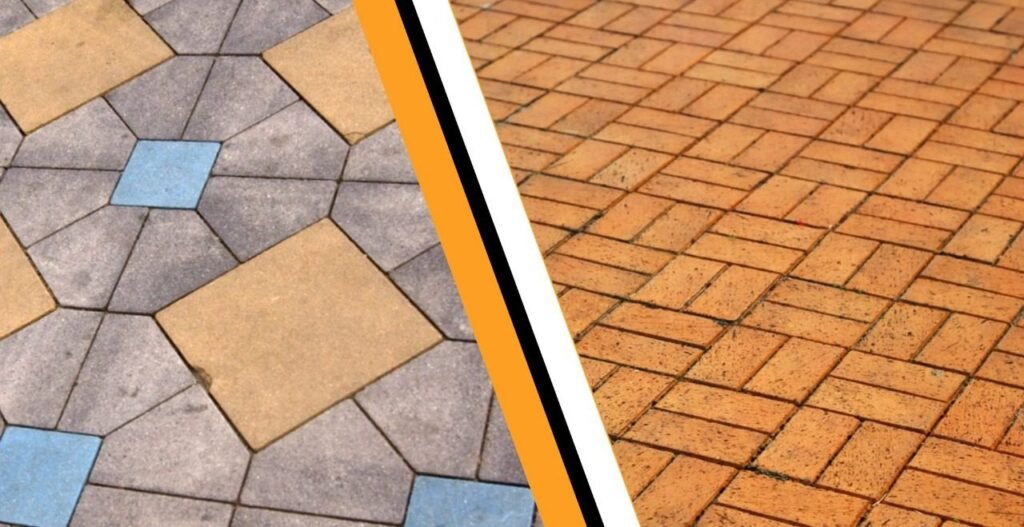
Which lasts longer? Pavers tend to outlast concrete. Natural stone pavers can endure 50 to 100 years or more and brick and concrete pavers generally have a life span of 25 to 50 years. Concrete driveways usually last 20 to 40 years before they need to be replaced with a new one, especially after years of use and exposure to the elements.
What makes pavers last is their individual units that can shift with the ground, reducing cracking. Ideal for use as a solid slab, concrete is subjected to more soil movement and temperature variation than the other materials. Repairs are a simpler task with pavers, as you can often replace pieces for less cost than having to patch or re-pour entire concrete slabs.
Pavestones also help drainage through gaps that minimize water pooling and freeze damage. They’re also less wet and can hold a sealer longer. Concrete is cheaper up front and easier to install, but it could need to be maintained and repaired more down the line.
In conclusion, pavers are more durable, versatile and easier to repair or change layout than concrete, so pavers a generally better long term value. Concrete might work for tighter budgets or speedier projects, but with more long-term maintenance.
Conclusion
The decision between pavers and concrete really comes down to your budget, lifestyle, and how long you plan to keep your driveway or patio. Pavers are more durable long term, less maintenance and have a classier look. Slate is an expensive option initially but long lasting and durable in the long run; tile slate can also be installed more quickly than a standing seam or metal roof. Concrete is less expensive upfront and tends to get older faster with more need for repairs. For more detailed services Maura Mason is here to assist you in crafting stunning outdoor spaces for lifetime
FAQs
Which is more durable, pavers or concrete?
Pavers typically have a longer life, with some materials lasting for up to 100 years, while concrete averages about 20-40 years.
Is one easier to repair?
Yes, pavers are easier to fix because you don’t have to replace the whole thing if they crack. Concrete repairs tend to be more expensive and not as smooth.
Which is more expensive?
Although pavers are often more expensive up front owing to materials and labor, they offer better long-term value.
Do pavers require more maintenance?
Pavers need sealing/cleaning now and then; maintenance is not bad and increases lifespan.
What about drainage?
Pavers offer improved drainage thanks to the spaces between each unit, which can decrease the potential for water damage compared to solid concrete slabs.
Are there design differences?
Paved materials can come in an endless array of colors, shapes and patterns. Concrete can be stained or stamped, but it has limited customization.