One of the benefits of brick walls is their longevity and traditional appearance, but winter weather can pose challenges that may damage the masonry if not properly cared for. Moisture, snow and ice, temperatures and freeze-thaw cycles can generate cracks, spalling, and mortar deterioration. Brick walls require proactive maintenance to make them durable and attractive during the winter months.
Learning the impacts of winter on the brick surfaces will guide homeowners to take the correct actions at the right time, including checking if the bricks are damaged, closing the bricks, and removing the snow safely. With proper care, brick walls can endure severe weather and protect and beautify your home for many years. This guide provides important tips on how to care for brick walls during winter that can help avoid expensive maintenance and save the value and aesthetics of your house.
Why Winter Brick Maintenance Matters
Many houses have beautiful brick walls, yet winter weather can be harsh to the bricks. Bricks and mortar are vulnerable to cold weather, snow, ice, and moisture and may be damaged by cracks, flaking, and age. The brick walls need to be taken care of during winter so that they are not affected by such harmful forces and to maintain their strength and be appealing.
Maintenance in winter includes checking of client brickwork damages, sealing cracks, washing dirt and moss, applying protective seals, and ensuring proper drainage of water flowing off the walls. This allows resistance to the seepage of moisture in the bricks, then freezing them, after which this can lead to serious structural issues. Early maintenance contributes to a better life cycle and lifetime of the brick wall, easily cutting down future expensive repairs.
Essential Brick Maintenance Tips for Winter
Before winter, it is important to prepare your brick walls to prevent damage and increase their lifespan. Here are some fundamental tips for maintaining your brick walls to ensure they are strong and in good condition during the cold months:
1. Check Fissures and Areas of Breakage
Keep a closer check on your brick walls and their cracks, gaps, or crumbling mortar. Minor cracks can enable the entry of moisture, which may cause and lead to more damage. Get repairs done before winter to prevent deterioration.
2. Repoint Deteriorated Mortar
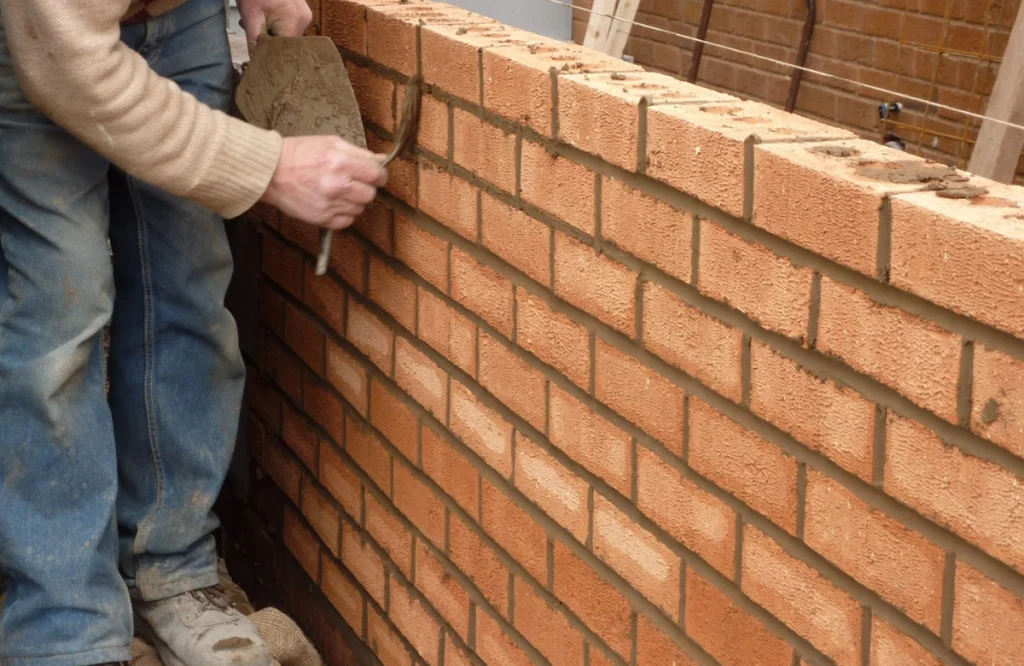
Mortar bonded the bricks and avoided water infiltration into them. Where mortar is broken or missing, repointing must be done, that is, old mortar removed and a new one applied. This strengthens the wall and closes the holes that water can penetrate.
3. Clean Your Brickwork
Cleanse using a soft-cleanser or mild soap solution, scrape off dirt, moss, and efflorescence (white electric deposits). Wet walls of bricks would also dry rapidly and would not have damage related to moisture. Do not use harsh chemicals and high-pressure washing.
4. Apply a Masonry Sealant
Apply a breathable, waterproof sealant to brick that is made to keep out water but also allows the moisture held to evaporate. Sealants safeguard against freeze-thaws and de-icing salts.
5. Downspouts and Check Gutters
Clean and direct the water away from the foundation. Some poor drainage might result in water stagnation around concrete brick walls, making them more vulnerable to freeze damage.
6. Clear Snow and Ice Carefully
Clear accumulation of snow around brick walls is very tender so that no harm is caused. Apply non-corrosive ice melt, which is masonry safe and do not use salt around the brickwork, as that may weaken mortar and bricks.
7. Empower Installation of Drainage Solutions
When water accumulates around the base of your house, you can install drains such as French drains, that would drain water out of the area around the bricks to minimize moisture accumulation during the snow melting.
Brick Treatment Options for Winter Protection
In order to preserve the brick walls against the adverse weather conditions during the winter period, there are various treatment solutions that will help to provide masonry with protection against moisture, freezing, and salt destruction. Coating with the appropriate treatment before winter makes bricks firm and appealing throughout the winter.
1. Water-Repellent Sealants
Waterproof films are also designed in such a way that they do not allow the absorption of moisture without sealing the water inside the brick. These respirable covers permit moisture vapor to evaporate and shield bricks against freeze-thaw motions that lead to fractures and splitting. In wintertime, avoid peeling waterproofs; also, avoid using film-forming waterproofs, which can easily peel.
2. Masonry Waterproofing
Masonry waterproofing is a more powerful shield against water that remains resistant to water intrusion in the future. This treatment type is best used in winter with a lot of precipitation or where there is a lot of water on the bricks. It is also used to inhibit the presence of moulds as well as mildew on the bricks.
3. Anti-Efflorescence Treatments
Efflorescence forms unpleasant white salt spots on the floors of bricks, made worse in winter by hydration and freeze-controlled cycles. Anti-efflorescence coats are used to minimize salt movement within the bricks to preserve their natural look.
4. Mortar Joint Sealants
Mortar joint sealants can be flexible to allow the avoidance of seepage of water at weak areas between bricks. These sealants allow for the mortar movement through the temperature changes, excluding the entry of moisture.
5. Statistical Winter-Grade Coatings
Other manufacturers also provide winter-grade masonry coatings that are specially designed to be resistant to freezing weather and safeguard brickwork through the cold season. These finishes increase life and are resistant to salt and chemical attacks through de-icing ingredients.
Seasonal Maintenance of Bricks
- Spring and Fall: Check for masonry cracks, crumbling, and water damage.
- Summer: If there is a warm, dry season, it is best to do repointing of mortar and repair work.
- Winter: Concentrate on covering brick against freezing and thawing in winter, removing snow, installing sealants, and avoiding water accumulation.
- Perform monthly or quarterly visual checks to identify damage in its early stages.
- Maintain clear working gutters, downspouts, and drainage systems throughout the year.
Professional Help:
- Professional inspections at regular intervals of major seasons may develop unseen problems.
- Experienced masonry jobs are offered to restore and perform protective works, depending on the season.
Final Thoughts
Bricked masonry requires maintenance to ensure that it remains strong, attractive and lasting. Routine inspections, promptly fixing cracks and broken mortars, cleaning and sealing, protect the bricks against moisture, freeze-thaw, and environmental deterioration. Proactive maintenance saves money on difficult repairs and leaves beautiful brick walls intact and standing strong for many decades.
Maura Mason offers skilled brick inspection, treatment and practices of protection of your home depending on its needs and climate environment. Get in touch and keep your brick walls in good condition.
FAQs
When should I check my brick walls?
Examine brickwork at least twice a year, preferably in spring and fall, to discover repair work at an early stage.
What is tuckpointing, and when is it required?
The repair of damaged mortar joints involves tuckpointing; old mortar is removed and new mortar is applied to restore integrity.
Is it possible to clean brick walls by myself?
Yes, tap it off with a gentle brush and weak detergent. Use of harsh chemicals and high-pressure washing should be avoided so as not to damage the surface.
What is the frequency of sealed brick walls?
Recoating should be re-introduced after 5 or 10 years, depending on exposure to the weather conditions.
Why is sealing essential with brick walls?
The seal keeps away moisture which would cause freeze-thaw board damage and efflorescence.
Is it possible to repair or replace damaged bricks?
You can repair minor cracks by sticking on chips; actually, broken bricks ought to be worn out due to lack of safety and aesthetic value.
What is efflorescence, and how do I avoid it?
Efflorescence is a white salt deposit formed by water flowing through bricks. It is prevented by proper sealing and proper drainage.
1. When should I check my brick walls?
Examine brickwork at least twice a year, preferably in spring and fall, to discover repair work at an early stage.
2. What is tuckpointing, and when is it required?
The repair of damaged mortar joints involves tuckpointing; old mortar is removed and new mortar is applied to restore integrity.
3. Is it possible to clean brick walls by myself?
Yes, tap it off with a gentle brush and weak detergent. Use of harsh chemicals and high-pressure washing should be avoided so as not to damage the surface.
4. What is the frequency of sealed brick walls?
Recoating should be re-introduced after 5 or 10 years, depending on exposure to the weather conditions.
5. Why is sealing essential with brick walls?
The seal keeps away moisture which would cause freeze-thaw board damage and efflorescence.
6. Is it possible to repair or replace damaged bricks?
You can repair minor cracks by sticking on chips; actually, broken bricks ought to be worn out due to lack of safety and aesthetic value.
7. What is efflorescence, and how do I avoid it?
Efflorescence is a white salt deposit formed by water flowing through bricks. It is prevented by proper sealing and proper drainage.